Making Your Implant Crowns Last
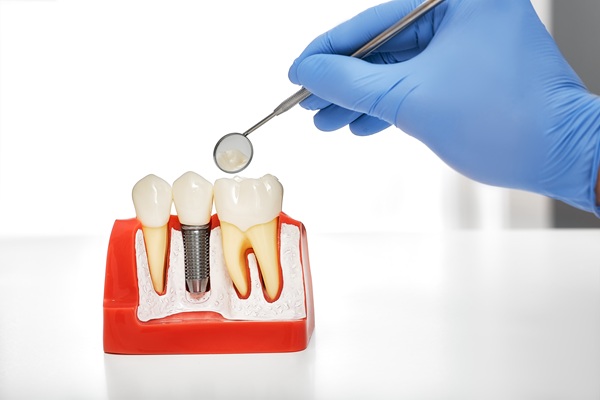
Implant crowns are typically recommended when an implant is being used to replace a lost tooth. This artificial teeth root is surgically inserted into the patient’s jaw. The implant fuses with bone tissues around it through a process known as osseointegration. As a result, bite forces are transferred through the implant crown and implant to the person’s jaw, stimulating tissues and preventing the bone tissue breakdown that can happen when a tooth is lost.
Getting the most out of implant crowns
Implant crowns are ideal long-term options for replacing teeth. These restorations look like natural teeth, and they do not require anything besides brushing and flossing to keep them in great condition. The implant that the crown sits on is typically made out of titanium, and it is designed to last a lifetime. Implants crowns can last up to 30 years when properly cared for. Simple things that can be done to make an implant crown last longer include:
- Good oral hygiene: Crowns are not vulnerable to the acids made by oral bacteria, but the gum tissues that support them are; good oral hygiene helps remove plaque deposits and prevent stains from forming on the crown
- Avoid hard foods: An implant crown is designed to handle tremendous bite forces, but it is not as durable as real teeth, so hard foods like ice or hard candies can lead to a crown becoming damaged; people with crowns should also avoid using their teeth for things that they are not designed for, like opening packages
- Use appropriate mouth protection: People with crowns should take extra steps to protect their teeth from forces that they are not designed to withstand, including wearing a mouthguard when engaged in contact sports or a nightguard to reduce the effects of teeth grinding
What to expect when getting an implant
Dentists often recommend implants for missing teeth replacement due to their bone-preserving properties. Other missing tooth replacement options, like dentures and bridges, do not address bone deterioration. Patients must be assessed to determine if they are healthy enough for implant surgery.
Replacing a missing tooth with an implant can take over six months. The first step is inserting the implant into the patient’s jaw. A local anesthetic is administered, and the dentist might have to make an incision to reach the patient’s jaw.
A hole is drilled into the jaw, and then the implant is placed in it. Bone tissues around the implant hold it in place via friction, the same way that wood holds a nail in place. In some cases, an implant crown might be attached during the same visit, or the dentist might wait for the implant to fuse with the patient’s jaw.
Implant crowns provide a long-term solution for missing teeth
Are you missing one or more teeth? Implant crowns may be the solution you are looking for. Call or stop by our Pembroke Pines office to set up a consultation with our dentist.
Request an appointment here: https://pembrokedentalspa.com or call Pembroke Dental & Spa at (954) 526-2226 for an appointment in our Pembroke Pines office.
Check out what others are saying about our services on Yelp: Implant Crown in Pembroke Pines, FL.
Related Posts
Dental implants can potentially survive a lifetime of use; however, the implant crowns used for chewing and biting are vulnerable to the same factors that can damage natural teeth. Therefore, it is important to take proper precautions to extend the crown's lifespan.The following are tips to add more years to an implant crown and reduce…
A new dental filling restores tooth structure, and smart aftercare helps it last. Understanding the importance of care and maintenance after you get a new filling can significantly improve your dental health and overall well-being. The following tips can help you maintain optimal oral hygiene to protect and extend the lifespan of your dental fillings. Patients…
There are many ways to keep your teeth bright, white, and healthy. However, you may see unfamiliar stains or shades on your teeth, making them appear gray. Fortunately, a general dentist can evaluate gray teeth by identifying the root cause of the change.It is common for teeth to change color, and it does not always…
All-on-4 implant treatment has become a transformative option for individuals seeking full-arch restoration, and understanding several important factors before choosing all-on-4 is essential.Before patients undergo all-on-implant placement, their dental provider will need to determine if they are ideal candidates. Factors that contribute to this include: Sufficient bone density Good overall oral health Healthy gum tissue…