Implant Retained Dentures for Better Chewing Function
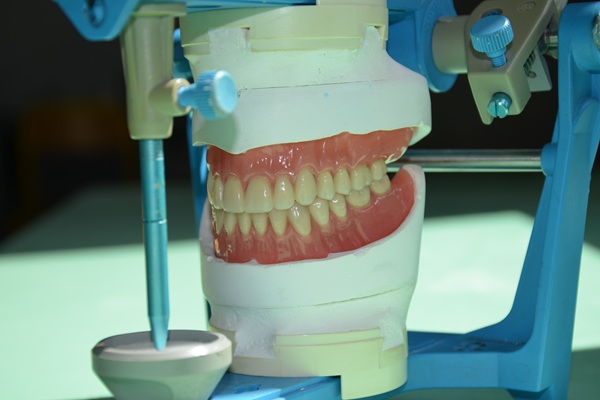
There is no denying the many benefits associated with dentures. If you have them, you already know how much they can change your life. Poorly fit dentures can make it difficult to chew. Even dentures that start out fitting well may become loose or warped. When this happens, chewing or speaking may become difficult. However, implant retained dentures offer better chewing function than other types of dentures.
What are implant retained dentures?
Implant retained dentures are a type of denture held in place in a patient’s mouth by implants. This design allows the force from chewing to transfer to the denture wearer’s gums. Unlike other options, implant retained dentures also use fewer implants. In some cases, mini implants can even be used.
Implant retained dentures are a great option for denture wearers and are more state-of-the-art than other options. Unlike dentures that rely on precise fit, muscle control, saliva and lip control to keep dentures in place, implant retained dentures lock the dentures in place and provide better chewing function. Additionally, denture wearers with traditional dentures often have to relearn how to chew. Denture wearers with implant supported dentures do not have to go through this process.
Tips for chewing with implant retained dentures
There are a lot of tips and tricks for new denture wearers when it comes to chewing. For starters, denture wearers should always take their time chewing, especially in the beginning. A good way to start is to eat smaller pieces of soft food. At first, implant retained dentures may feel awkward. However, over time chewing will feel natural for wearers.
People should also always bite carefully and avoid using the front teeth. When denture wearers use their front teeth to bite into food, it may destabilize the dentures and result in sore gums. When this happens, an adjustment may be in order. Additionally, it is also important that denture wearers avoid sticky foods because they may damage the dentures. Over time new denture wearers will get used to wearing implant retained dentures. As they become more comfortable chewing softer foods, a diet change can take place with the addition of harder foods. Before long, the new implant retained dentures will begin to feel like regular teeth.
Denture wearers should always clean the implant retained dentures the same way as traditional dentures. Even the gums under the denture should be flossed and cleaned to keep the implants healthy. Dentures also have to be brushed and cleaned with special toothpaste, soft-bristled toothbrushes and soaking agents. Doing so will prevent scratches from forming on the dentures.
Master chewing with implant retained dentures today
Depending on your oral health and the condition of your teeth and gums, implant retained dentures may be what you have been looking for. As an added bonus, these dentures offer better chewing function than other options. If you are worried about the process or have questions, contact a dentist today. Your dentist can guide you and help you make the right decision.
Request an appointment here: https://pembrokedentalspa.com or call Pembroke Dental & Spa at (954) 526-2226 for an appointment in our Pembroke Pines office.
Check out what others are saying about our dental services on Yelp: Dentures and Partial Dentures in Pembroke Pines, FL.
Related Posts
A new dental filling restores tooth structure, and smart aftercare helps it last. Understanding the importance of care and maintenance after you get a new filling can significantly improve your dental health and overall well-being. The following tips can help you maintain optimal oral hygiene to protect and extend the lifespan of your dental fillings. Patients…
There are many ways to keep your teeth bright, white, and healthy. However, you may see unfamiliar stains or shades on your teeth, making them appear gray. Fortunately, a general dentist can evaluate gray teeth by identifying the root cause of the change.It is common for teeth to change color, and it does not always…
All-on-4 implant treatment has become a transformative option for individuals seeking full-arch restoration, and understanding several important factors before choosing all-on-4 is essential.Before patients undergo all-on-implant placement, their dental provider will need to determine if they are ideal candidates. Factors that contribute to this include: Sufficient bone density Good overall oral health Healthy gum tissue…
Seeking a straighter smile often begins with a visit to a cosmetic dentist. These professionals offer advanced teeth straightening options that improve alignment while also considering the appearance of the entire smile. Whether correcting mild crowding or closing noticeable gaps, a cosmetic dentist evaluates structure, bite, and facial balance to create a personalized plan that…